AI, Tech and VC Daily Briefing: Friday 20 November 2026
Good morning, here's today's briefing. The lead: Anthropic opened at $111.50 on Nasdaq, briefly touched a $2 trillion value and closed its first day up 17% at $97.17, even as the wider market fell about 2%. Also today: new US chip rules start to bite in China, Satya Nadella explains Microsoft's 60,000 buyout offers, Meta reportedly prices its Muse Charm gadget at $300, and Boltz raises $110 million for drug-design AI.
LEAD: Anthropic closes its first trading day up 17%
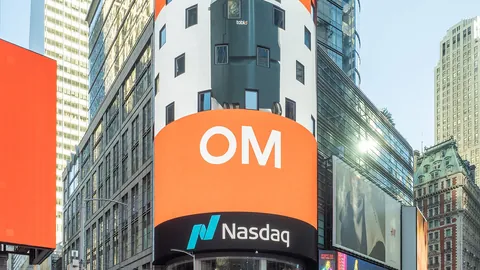
Background: Yesterday's edition covered Anthropic pricing its IPO at $83 a share, raising $81.3 billion, the biggest IPO on record.
What happened: Trading under the ticker "ANT", Anthropic opened at $111.50 just before midday in New York, 34% above the IPO price, dipped to $95.69 in the afternoon and closed at $97.17, about 17% up, Reuters reports via Al Jazeera. The Guardian says the opening price briefly valued it at about $2 trillion. More than 846 million shares changed hands, against 522 million on SpaceX's first day in June. CNBC puts its fully diluted market value at roughly $1.8 trillion, making it the seventh most valuable US company behind Apple, Microsoft, Nvidia, Alphabet, Amazon and SpaceX. CNBC, Al Jazeera The rest of the market had a bad day: The Guardian says the S&P 500 fell for a sixth straight day, its longest losing run since April 2024, amid worries about the AI boom. The Guardian TechCrunch estimates the listing could eventually send about $156 billion to charity: roughly $80 billion through Anthropic's Public Benefit Fund, which holds 5% of the shares, plus an estimated $23 billion of employee pledges and about $53 billion in company matches, if employees follow through. TechCrunch
Why it matters: The first big frontier lab on the stock market held most of a strong pop while tech shares sank around it. From now on, Anthropic's growth will be judged in public every quarter.
US chip rules start to bite in China
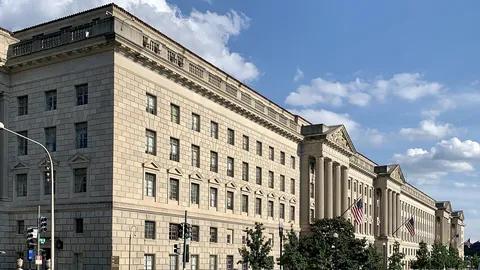
Background: After the scandal around former Nvidia CEO Jensen Huang, the US Commerce Department closed a loophole that let Chinese firms rent AI chips in data centres abroad.
What happened: Data centres in countries such as Singapore, Malaysia and Indonesia now need a licence, which law firm Sidley Austin says kicks in at about the equivalent of 300 modern AI chips, The Decoder reports. The Information reports Moonshot AI cancelled a $150 million contract with a cloud provider in Indonesia, where it had planned to rent Nvidia B300 chips to train Kimi K4, and had agreed to prepay about 50%. Bloomberg reports five lenders are considering dropping out of a $480 million loan to Singapore's Aolani, which was to supply chips in Malaysia for ByteDance. The Financial Times reports TSMC and Samsung have stopped some shipments to Chinese customers while they apply for licences, now needed even for advanced smartphone chips. A New York Times investigation says Alibaba was the secret main customer behind Megaspeed, a Singapore firm that bought more than $4 billion of Nvidia chips. The Decoder
Why it matters: China's leading labs relied on renting chips abroad to keep up with US models. Losing that route raises their training costs just as they plan their next generation.
Competitor move: Nadella says Microsoft's buyouts are about turning staff into agent managers
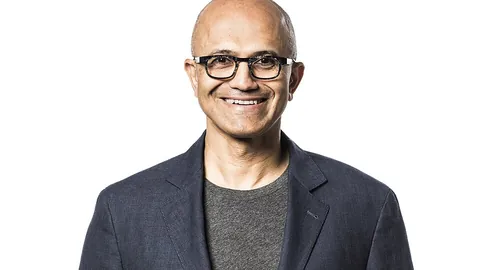
Background: In October Microsoft offered voluntary buyouts to 60,000 employees rather than making another mass layoff.
What happened: At the DealBook Summit on 18 November, Satya Nadella said the buyouts were "to make sure that at least everyone felt like they had agency in making choices" as Microsoft reorganises so everyone uses AI and manages it. He said the team that builds Cowork, the agent in Microsoft 365, is just 11 developers who "build a software factory that builds the product. They don't build the product." He believes every employee will one day become a manager of agents, adding that the change will "take a bit more time than anyone expects." TechCrunch
Why it matters: The world's biggest software company is openly reorganising around small teams directing agents, the same pitch Cursor, Cognition and Replit make to their customers.
Competitor move: Meta's Muse Charm gadget will reportedly cost $300
Background: Meta unveiled the Muse Charm at Connect in September, a keychain-sized device for talking to its Muse agent without reaching for a phone, due in time for the holidays.
What happened: The Information reports Meta plans to sell it for $300 with up to 12 months of free Verizon 5G data, Engadget says. The device has a fingerprint reader to verify your identity before it takes commands. Engadget adds that Meta is building commerce tools to charge businesses a fee when Muse users buy through the agent. Engadget, The Information
Why it matters: An agent you can use without a phone gets around Apple's and Google's app stores. The price is a report, not a confirmed Meta announcement.
Funding: Boltz raises $110 million for drug-design AI
Background: Boltz is an MIT-born public benefit company whose open-source biomolecular models are widely used in drug discovery.
What happened: Boltz raised a $110 million Series A led by Bessemer, with Greycroft, Andreessen Horowitz, Amplify Partners, F-Prime Capital and Hummingbird among the backers, SiliconANGLE reports. Its BoltzMol-1 model looks for molecules that bind to disease targets by reviewing a few dozen promising candidates rather than hundreds of thousands; the company says it found hits for six of 10 hard targets. Boltz bills by token, says customer usage has grown 50 times since its models launched in June, and counts six of the world's 20 largest drug companies as clients. SiliconANGLE, Tech Startups
Why it matters: Boltz is racing OpenAI and Anthropic, which have both released biology-focused models, and the money goes mostly on people and compute.