AI, Tech and VC Daily Briefing: Tuesday 17 November 2026
Good morning, here's today's briefing. The lead: Nvidia's board is not weighing a return for Jensen Huang, people familiar with the matter say, even as President Trump says he would not mind and Nvidia reports earnings today. Also today: Anthropic's IPO orders near seven times the shares on offer, the US and nine partners sign a pact to guard AI supply chains, and OpenAI pushes its computer-use agents into healthcare.
LEAD: Nvidia's board rules out a Huang comeback, on the eve of earnings
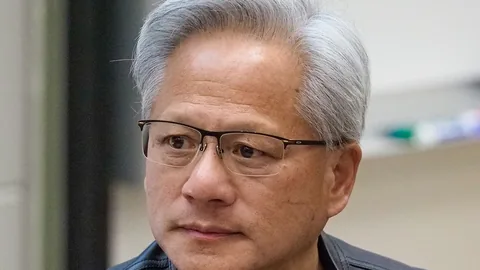
Background: Jensen Huang resigned as Nvidia CEO last week after admitting an affair, amid reports of an affair with Alice Huang, who is alleged to have contact with Chinese intelligence. An online petition to bring him back has been growing fast.
What happened: The Financial Times reported on Sunday that Huang has discussed a possible return with confidants, Reuters reported. Reuters via Investing.com On Monday, three people told Reuters the board is not weighing his return, and a person told CNBC the board is focused on a national security investigation into Huang, led by law firm Wachtell Lipton. The petition has passed 180,000 signatures, backed by Elon Musk, Garry Tan and Tim Sweeney, and Trump told reporters "I would certainly not mind seeing that". Treasury Secretary Scott Bessent has called for an outsider as the next CEO. Reuters says US intelligence agencies are still working out the extent of Alice Huang's ties to China's Ministry of State Security. Nvidia shares fell 3.7% on Monday, a day before third-quarter results. Reuters via StreetInsider, CNBC, Axios Axios notes Kalshi traders give Huang a 14% chance of becoming permanent CEO, second behind Arm CEO Rene Haas. The Verge reports the petition's signatures are hard to verify, with entries such as "Tim Cruise, Hollywood actor". The Verge
Why it matters: Today's results arrive with no permanent CEO, an open security probe and a founder campaigning from outside. Whatever the numbers say, the leadership question is now the AI trade's biggest wildcard.
Anthropic's IPO orders reach nearly seven times the shares on offer
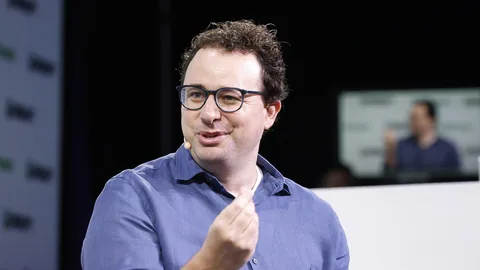
Background: Anthropic set its IPO terms on 10 November at $70 to $78 a share, valuing it at up to $1.4 trillion. Last week's edition reported orders at about six times.
What happened: Orders have reached close to seven times the shares on offer, people familiar told Bloomberg on Sunday, with demand much hotter than SpaceX's at the same stage, The Next Web reports. Counting a $26 billion private placement, Anthropic and backers are raising up to $90.4 billion, which would beat SpaceX's $86.2 billion as the biggest listing ever. Pricing is expected on Wednesday 18 November, with Nasdaq trading under the ticker ANT from Thursday. The Next Web, Moneycontrol Its amended filing puts committed spending on compute, infrastructure and leases at about $900.9 billion, and describes up to $120.5 billion of SpaceXAI GPU capacity that either side can cancel on 90 days' notice once initial periods end in January and March 2027, Tech Times reports. Tech Times
Why it matters: Demand is not the problem. The question investors are weighing is whether revenue can keep pace with nearly a trillion dollars of compute promises, some of which rest on a rival's hardware.
The US and nine partners sign a pact to guard AI supply chains
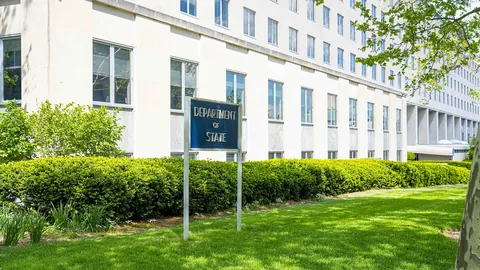
Background: Pax Silica is a US-led initiative launched in December 2025 to cut "coercive dependencies" in technology supply chains.
What happened: The State Department announced on Sunday that the US, UK, Japan, South Korea, Australia, India, Singapore, Israel, Qatar and the UAE have signed the San Francisco Declaration. It covers sensitive technology, meaning the goods, software, materials and knowledge used to build AI, and the critical infrastructure such as ports, energy and networks that AI supply chains rely on. Signatories pledge to work together to stop theft or smuggling of AI technology. China's Foreign Ministry said it opposes forming closed, exclusive groupings in the sector. The signing comes days before President Trump and Xi Jinping are expected to meet at the APEC summit in Shenzhen on Thursday. VOA, US State Department
Why it matters: With chip smuggling and the Nvidia spy allegations in the headlines, Washington is lining up allies on AI security just before sitting down with Beijing.
Competitor move: OpenAI pushes computer-use agents into healthcare

Background: A lot of healthcare admin means copying information from one system into another, such as moving details from a patient's record into an insurer's portal to get an MRI approved.
What happened: OpenAI published results on 16 November for computer-use agents in clinical and admin work, and named partners Abridge, Ambience, Cigna Healthcare and CVS Health for prior authorisations, referrals, discharge planning and outreach. On HealthAdminBench, a Stanford benchmark, GPT-6 Astra earned 94.3% of available points and GPT-6 Luna 91.8%, while costing 98% less at 8.5 cents per task. In clinical safety reviews, 99% of 325 tasks were rated safe. The capabilities are available through the OpenAI API, ChatGPT for Healthcare and ChatGPT for Clinicians, with approvals and audit logs for deployments. OpenAI
Why it matters: Healthcare paperwork is a huge, repetitive market where agents that click through old portals can save real money. Lining up big insurers and pharmacy chains gives OpenAI a strong foothold as rivals chase the same work.